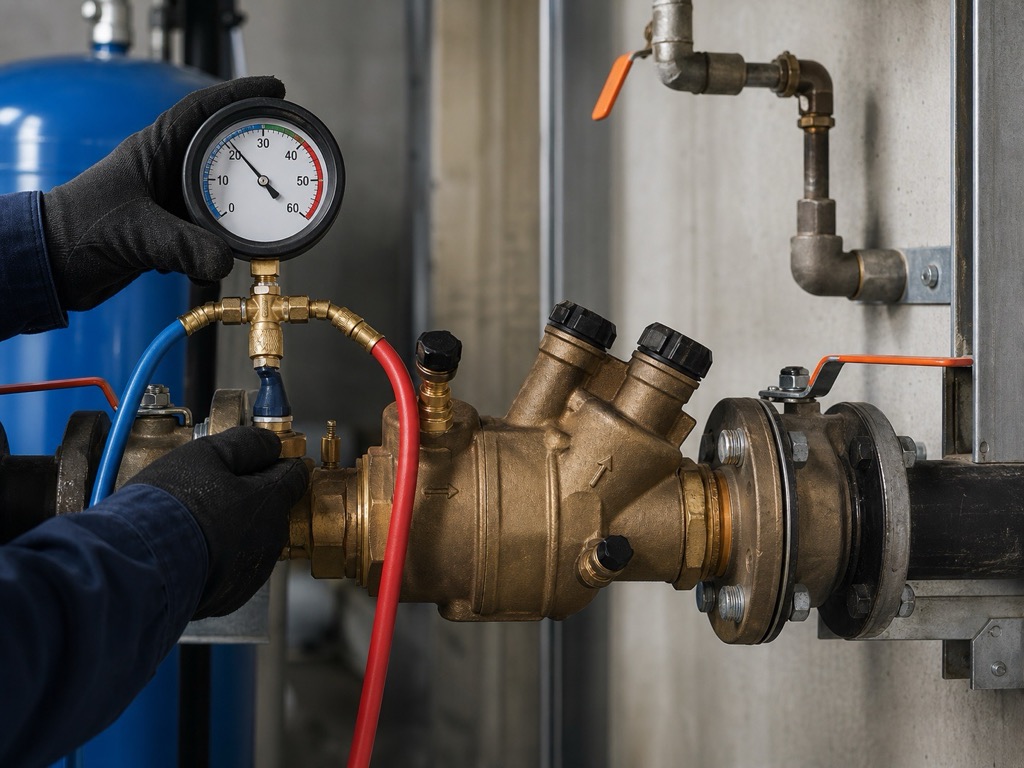
The complete service
Clear work. Clear result.
Every visit starts with the property, assembly and notice details, not a one-size-fits-all assumption.
01Know which connection is protected
Food-service properties can contain domestic service assemblies and devices associated with beverage, dishwashing, treatment, irrigation or other equipment. The municipal notice, prior report and device location help identify the registered assembly. Testing the wrong device or missing a second assembly does not resolve the property record.
02Plan around service periods
A restaurant may not be able to tolerate water interruption during preparation, lunch or dinner service. Confirm whether the assembly can be isolated without affecting operations and identify the least disruptive window. Where a landlord or strata controls the mechanical room, access must be coordinated before the appointment.
03Make failure decisions quickly and clearly
If the initial test fails, the manager needs a concise explanation of the issue, likely repair path, expected interruption and retest requirement. Pre-authorized minor repair can reduce downtime, but the business should define its approval threshold rather than leaving additional work open-ended.
04Keep the compliance file usable
Store the notice, completed report, repair record and submission confirmation where the manager or owner can retrieve them. Staff turnover is common in hospitality, and the next annual reminder may arrive after the person who handled the previous test has moved on. A clean record prevents the process from restarting from zero.
05Multi-location restaurant groups
Groups with several locations can standardize device photos, access contacts, approval limits and annual dates while still respecting each municipality’s reporting process. Combining the administrative workflow creates consistency without pretending that every City portal, fee or licensing rule is the same.